


Restore Your Gut Microbiome, Rebuild Your Health
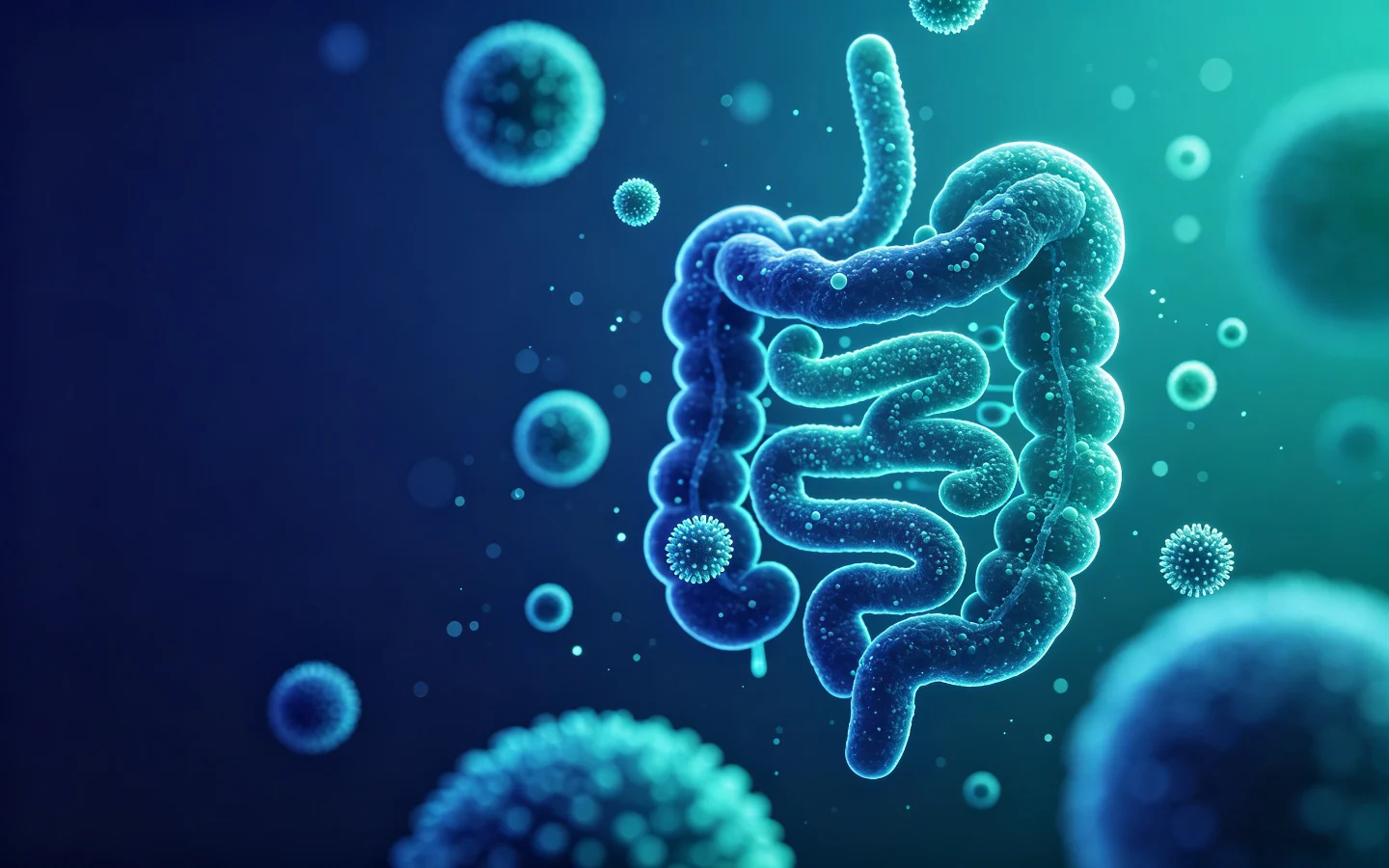
Fecal microbiota transplantation (FMT) — also known as fecal transplant or intestinal flora transplant — transfers carefully screened, GMP-grade gut bacteria from healthy donors into the patient's intestine to rebuild a balanced microbiome. It is emerging as a powerful therapy for conditions where conventional treatment reaches its limits.
What Is Fecal Microbiota Transplantation?
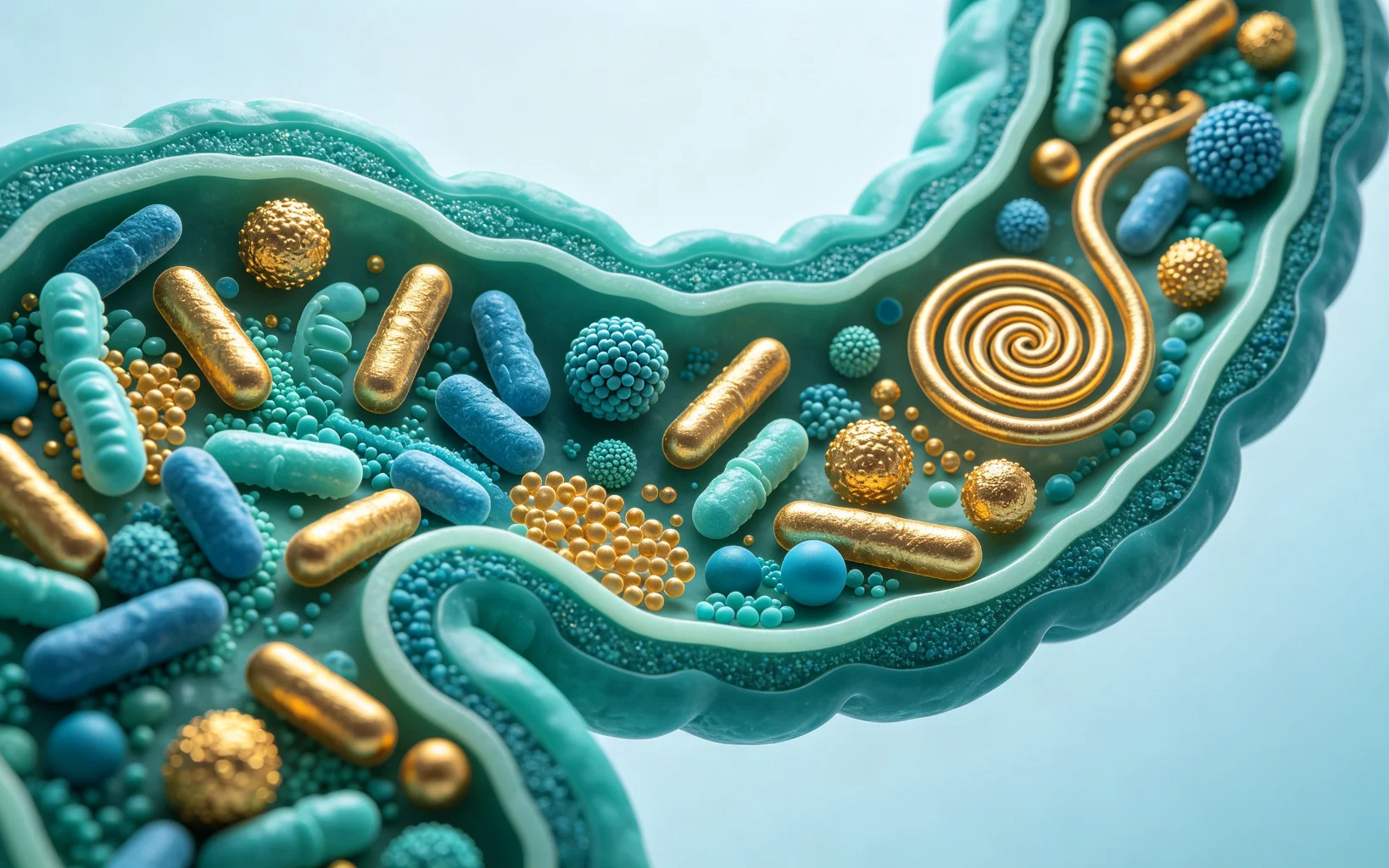
Your gut hosts roughly 100 trillion microorganisms — bacteria, fungi and viruses — carrying about 200 million genes, around 100 times more than the human genome. This microbial community is often called the "second brain" and the "eighth organ" of the body: it synthesizes vitamins and neurotransmitters, trains the immune system, and communicates with the brain through the gut–brain axis.
When this ecosystem falls out of balance, studies show that nearly 90% of human diseases are associated with the composition of the gut flora — from digestive disorders to metabolic, neurological and immune conditions. FMT aims to correct that imbalance at its root.
Why Your Gut Bacteria Matter
Scientific consensus increasingly recognizes the gut microbiome as a central regulator of human health.
Who May Benefit from FMT
FMT is under active clinical investigation for more than 110 indications. At our center, the program focuses on the following patient groups.
Autism Spectrum Disorder (ASD)
Gut microbiome modulation has shown promise in improving behavioral symptoms and gastrointestinal distress in children with autism, especially in younger patients.
Inflammatory Bowel Disease (IBD)
For ulcerative colitis and Crohn's disease, FMT is studied as an adjunctive strategy to reduce inflammation and restore mucosal balance.
Irritable Bowel Syndrome (IBS)
Recurrent abdominal pain, bloating and alternating diarrhea/constipation that disrupt daily life are common targets of microbiome therapy.
Recurrent C. difficile Infection
FMT is one of the most evidence-backed microbiome therapies for recurrent Clostridioides difficile infection, restoring flora that antibiotics cannot rebuild.
Type 2 Diabetes & Metabolic Health
Gut microbial signatures are linked to glucose metabolism and obesity; microbiome intervention is being studied as an adjunct to metabolic management.
Insomnia & Mental Health
Through the gut–brain axis, microbiome modulation is explored for sleep disturbance, anxiety and depressive symptoms that respond poorly to conventional therapy.
How Fecal Microbiota Transplantation Works
Every FMT treatment follows a strict, quality-controlled pathway — from donor screening to clinical delivery.
Rigorous Donor Screening
Healthy donors are screened through questionnaires, blood tests, stool tests, pathogen panels and 16S rRNA microbiome diversity analysis.
GMP-Grade Preparation
Stool is processed in a secondary biosafety laboratory following GMP standards, with quality control ensuring strain viability of 80% or higher.
Transplantation
A qualified physician administers the transplant via nasogastric tube, endoscopic spray, or enema — chosen to fit each patient's condition.
Microbiome Rebuilding
Beneficial bacteria colonize the gut, restoring microbial balance and supporting recovery of gut and systemic function over subsequent weeks.
Evidence Behind FMT
The figures below are published clinical research data reported by the cited studies and manufacturers; they are not this center's outcome statistics.
FMT achieved an overall cure rate of 91% for ulcerative colitis patients with recurrent C. difficile infection, with 69% showing significant improvement in colitis activity. Repeated FMT raised the cure rate from 50% to 84%.
In a multicenter RCT, FMT reduced the severity of behavioral symptoms in children with autism by 23%, with improvements maintained at 2-year follow-up, and reduced gastrointestinal symptom severity by 80%. Younger children showed greater benefit.
A published case report described complete remission in a patient with pMMR/MSS stage IV colorectal cancer treated with gut microbiota transplantation combined with anti-PD-1 immunotherapy.
GMP-Grade FMT Products
Two core product formats support flexible, patient-centered FMT delivery.
Live Bacterial Solution
Fresh, viable gut bacteria suspension prepared under GMP standards from screened donor flora, delivered through clinical routes.
- Routes: nasogastric tube, endoscopic spray, enema
- Safety: full donor screening and pathogen testing before every batch
Lyophilized Enteric Capsules
Freeze-dried, enteric-coated capsules that deliver live microbiota conveniently, supporting repeat and maintenance treatment.
- Convenience: oral administration, easier transport and storage
- Technology: proprietary freeze-drying and oxygen-isolation processing
A Differentiated FMT Program
Our FMT program combines a large donor pool, AI-assisted matching, exclusive equipment and nationwide clinical collaboration.
Ten-Thousand-Level Donor Library
A standardized donor pool built with continuous recruitment, supported by a 14,000+ validated questionnaire screening pipeline.
AI-Powered Precision Matching
AI-assisted donor–patient matching delivers a personalized plan in about 30 minutes, with reported accuracy above 95%.
GMP & Independent Verification
Production in a secondary biosafety laboratory under GMP standards, with strain viability of 80%+ and testing by national institutes.
DIVHS Dynamic Digestion System
An exclusive in-vitro dynamic human gastrointestinal digestion system for research on nutrition, metabolism and drug release.
Multi-Center Collaboration
Clinical use across multiple departments and dozens of disease indications, with provincial alliances and multi-center research studies.
Recognized by 21 Provinces
FMT has been incorporated into medical fee schedules with dedicated billing codes across 21 provinces in China, with an evolving regulatory framework.
Is FMT Right for You or Your Child?
Contact our FMT team at Beijing Puhua International Hospital to discuss your condition, review eligibility, and plan a personalized microbiome therapy pathway.
GMP-grade fecal microbiota transplantation and gut microbiome therapy built on a rigorous donor-screening and quality-control ecosystem.