


What does reconstruction mean?
The spine is the bony structure surrounding the spinal cord; the cord carries signals between the brain and body. Reconstructing or stabilizing vertebrae is different from rebuilding damaged spinal-cord tissue. The term “spinal cord reconstruction” should therefore be explained in precise anatomical and surgical terms during consultation.
Depending on the injury, an operation may remove pressure from bone, a disc or another compressing structure, or stabilize an unstable spine. These goals can matter even when existing nerve damage cannot be reversed. No operation should be described as automatically reconnecting the cord or restoring lost movement.
Who should be evaluated?
A specialist assessment may be appropriate after a spinal injury, with persistent compression or instability, or when neurological symptoms change. Someone with a longstanding injury needs a different discussion from someone with a new fracture or rapidly progressing weakness. The existence of paralysis alone does not establish that another operation will help.
New weakness, loss of sensation, breathing difficulty or bladder and bowel changes after trauma require urgent medical attention. These symptoms should not wait for a routine appointment or travel for an elective procedure.
How assessment guides the plan
The assessment combines the history of the injury, a neurological examination and review of imaging. Strength, sensation and functions below the injured level help describe its extent. CT can show fractures and bone alignment; MRI can help evaluate the cord and structures pressing on it. Imaging alone cannot promise a particular recovery.
Bring the original scan files and reports, previous operation records, discharge summaries, current medicines and rehabilitation notes. Explain what matters most to you, such as hand use, transfers, pain control or bladder management. The team should distinguish a treatable structural problem from lasting nerve injury before proposing a plan.
Where do neural growth factors fit?
Growth factors are signalling proteins that influence cells. Nerve growth factor, commonly abbreviated NGF, is one specific member of a broader family of neurotrophic factors. Research examines whether such signals, sometimes combined with other experimental strategies, could support nerve survival or repair. Different growth factors and different preparations are not interchangeable.
Laboratory or animal findings do not establish that a treatment restores function in people with spinal cord injury. Growth-factor approaches to spinal-cord repair remain investigational, and adding an injection or another procedure to surgery does not by itself prove additional benefit. Ask exactly which substance is proposed, what human evidence supports it, its regulatory status and known risks. If it is research, ask about trial registration, independent ethics oversight and follow-up.
Rehabilitation remains central
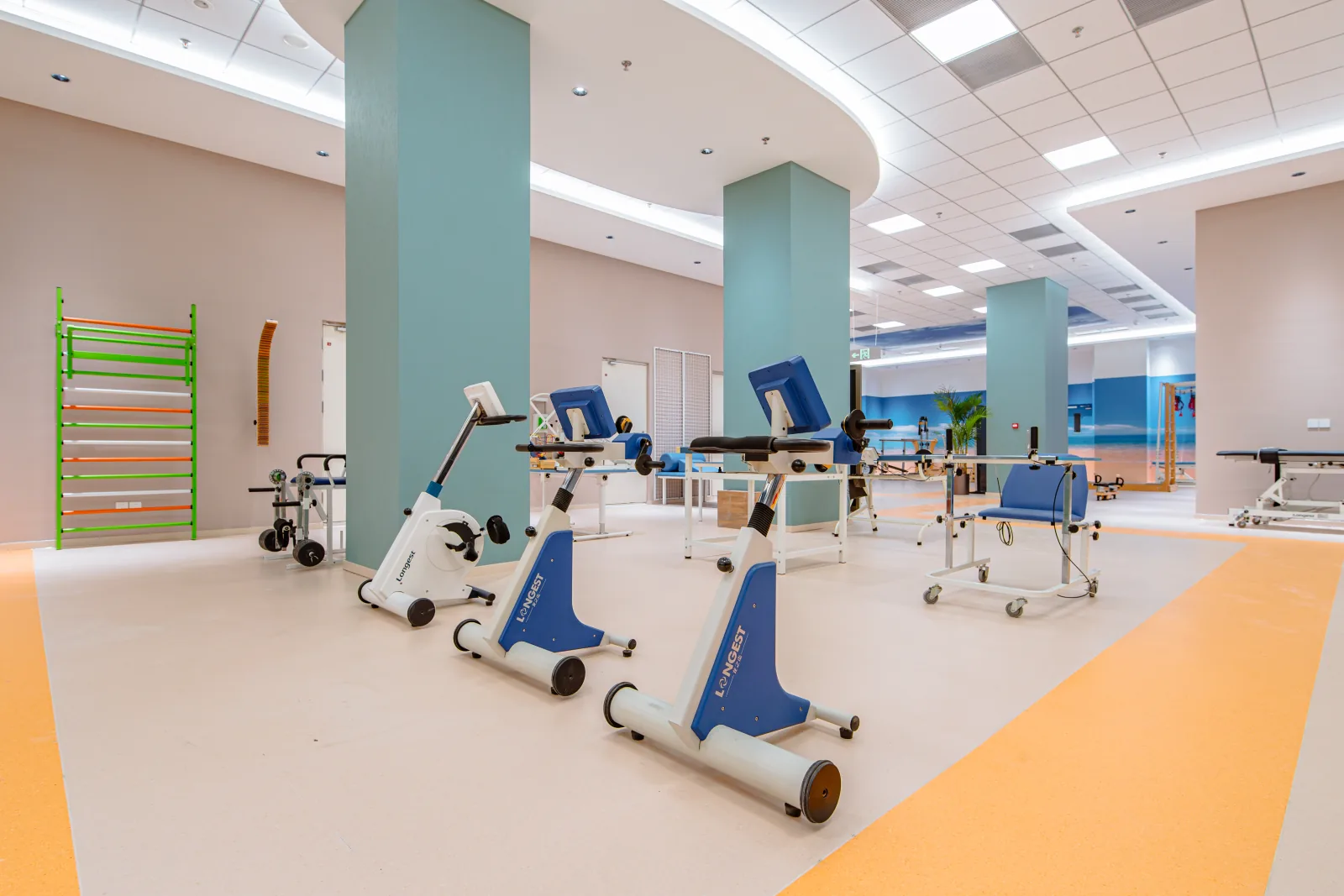
Recovery planning extends beyond an operation. Depending on individual needs, rehabilitation may include physiotherapy, occupational therapy, assistive equipment, caregiver training and psychological support. Goals can include safer transfers, better use of remaining movement, skin protection and greater participation in everyday life.
Ongoing care also addresses pain, spasticity, pressure injuries, bladder and bowel function, and respiratory or circulation problems. These needs should be planned for whether surgery is recommended or not. Meaningful progress can include improved independence and comfort even when the neurological injury persists.
Planning surgery and follow-up
If an operation is recommended, ask for its specific goal, reasonable alternatives and the expected limitations. Discuss the risks relevant to the proposed procedure, including infection, bleeding and further neurological injury, and how your general health affects those risks.
Recovery varies with the injury, existing function and complications. Agree on how progress will be measured and who will review you after discharge. If travelling for care, arrange rehabilitation and a clinical handover near home before treatment, including a plan for unexpected symptoms or complications.
Questions to bring to your consultation
A useful discussion separates the goals of surgery, the rehabilitation plan and any research proposal. Consider asking:
- What exact problem would this operation address, and what would remain unchanged?
- What improvement is realistic for my injury, and how uncertain is that estimate?
- Is the proposed growth-factor treatment established care or part of a registered study?
- What evidence, risks, alternatives and follow-up arrangements apply to me?