



Modulating the Immune System, Supporting Neurodevelopment
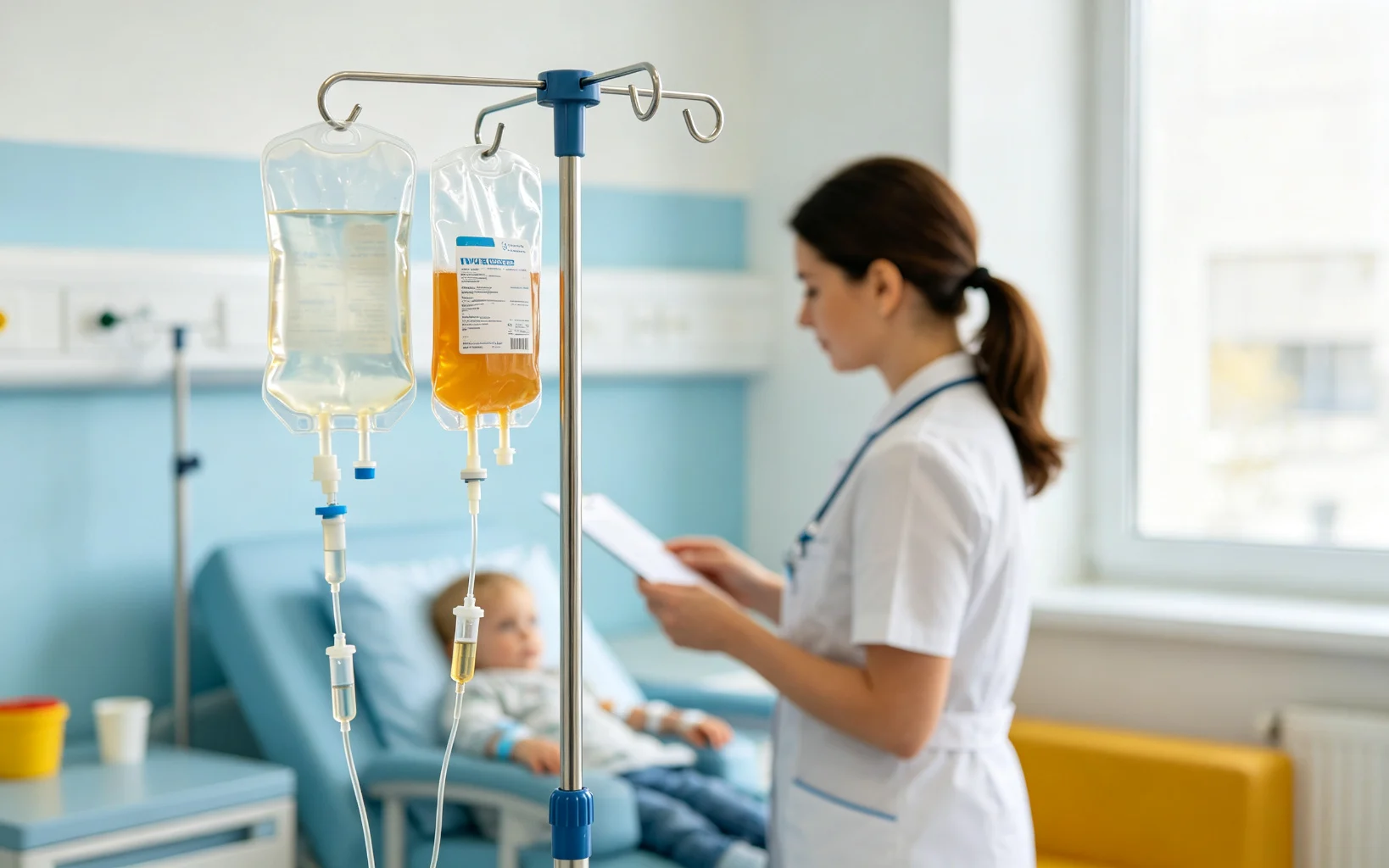
Intravenous immunoglobulin (IVIG) therapy — commonly known as immunoglobulin infusion or "gamma globulin" therapy — uses purified antibodies from healthy donors to modulate the immune system. At Beijing Puhua International Hospital, IVIG immune-modulation therapy is offered as part of a comprehensive, physician-led program for children with autism spectrum disorder (ASD) who show signs of immune dysregulation.
What Is Intravenous Immunoglobulin Therapy?
Originally developed for antibody deficiency disorders, IVIG is now widely used in immunology and neurology for its anti-inflammatory and immunoregulatory actions. In the context of autism, growing evidence links immune dysregulation — such as altered immunoglobulin levels, autoimmune features and neuroinflammation — to ASD in at least a subset of children.
IVIG immune-modulation therapy is therefore studied as an adjunctive strategy for ASD children with immune abnormalities, aiming to calm aberrant immune activity that may contribute to neurodevelopmental challenges. Treatment is always individualized, evidence-informed and physician-supervised.
Mechanisms of Immune Modulation
IVIG acts through multiple, overlapping pathways to help restore immune balance.
Neutralizing Autoantibodies
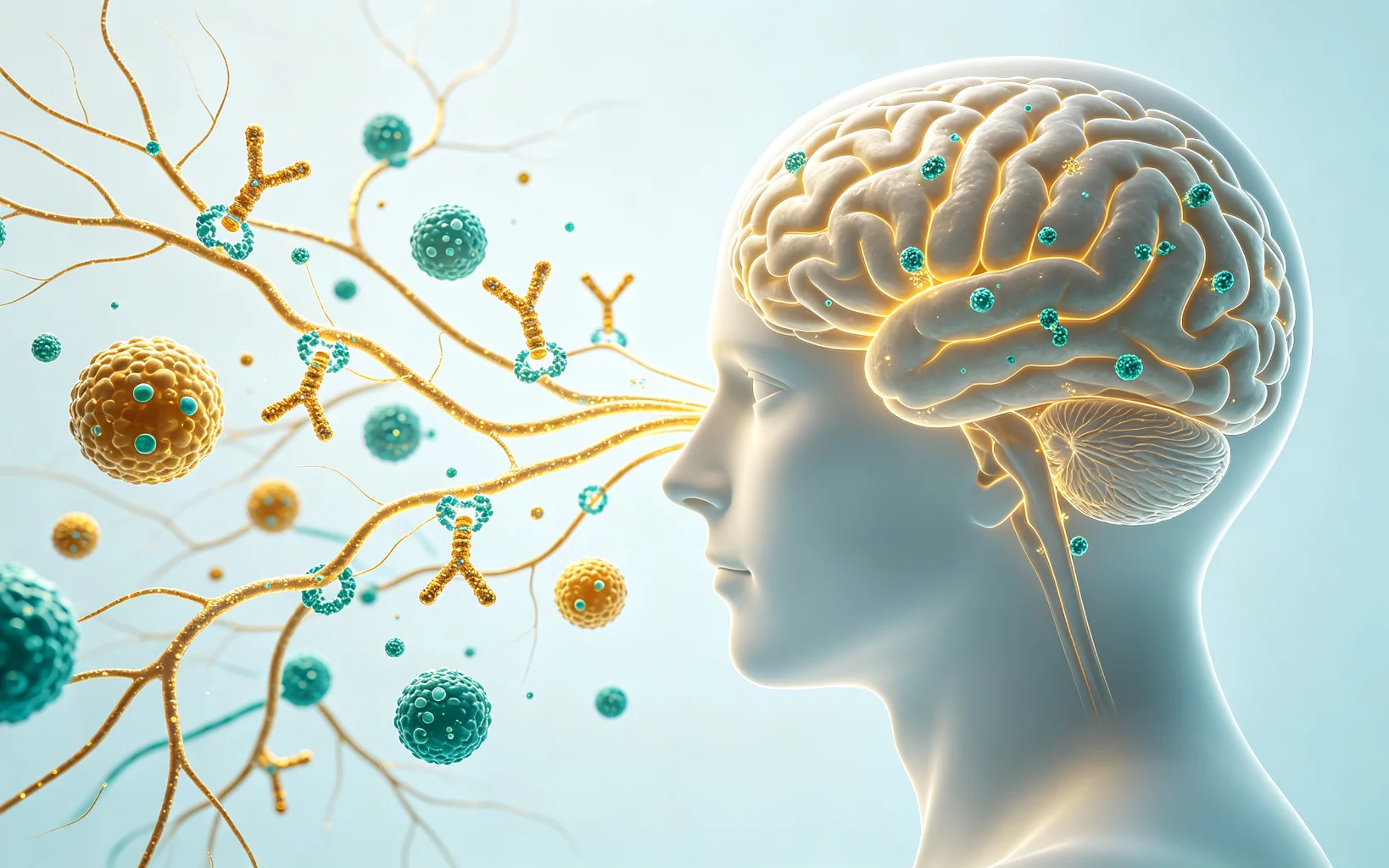
IVIG contains anti-idiotypic antibodies that can bind and neutralize autoantibodies implicated in some forms of immune-mediated neurological dysfunction.
Anti-Inflammatory Action
IVIG dampens inflammatory cytokine production and modulates complement activity, reducing the neuroinflammatory environment linked to ASD in some children.
Restoring Immune Balance
By expanding regulatory T-cell populations and modulating B-cell activity, IVIG helps recalibrate an overactive or dysregulated immune system.
The Immune–Autism Connection
Autism spectrum disorder is a complex neurodevelopmental condition. Research increasingly indicates that immune dysregulation may contribute to its pathophysiology in a subgroup of children — not in every child with ASD.
-
Altered Immunoglobulin LevelsSome children with ASD show abnormal concentrations of immunoglobulins (IgG, IgM, IgA), suggesting humoral immune involvement.
-
Autoimmune & Inflammatory FeaturesBrain-targeted autoantibodies and neuroinflammation have been identified in a subset of ASD cases, linking immune activity to neurological symptoms.
-
A Personalized Approach Is EssentialBecause immune involvement varies from child to child, comprehensive immune evaluation is required before considering IVIG therapy.
The IVIG Program at Beijing Puhua
A structured, multidisciplinary pathway — from comprehensive assessment to supervised infusion and follow-up.
Comprehensive Evaluation
A full pediatric and immunological assessment, including medical history, developmental profile, immune markers and relevant laboratory testing, determines eligibility and individualizes the plan.
Individualized Protocol
Dose, infusion schedule and duration are tailored to each child's age, weight and clinical profile, following published protocols under specialist supervision.
Supervised Infusion
IVIG is administered in a controlled clinical setting by experienced nursing staff, with continuous monitoring for safety and tolerability throughout the infusion.
Structured Follow-Up
Response is tracked with validated scales and caregiver feedback at scheduled intervals, and the plan is adjusted in partnership with the family.
A Multidisciplinary Team (MDT) Model
IVIG therapy at our hospital is delivered through a multidisciplinary team (MDT) — combining neurology, traditional Chinese medicine, rehabilitation and clinical nutrition in one coordinated care plan.
Neurologist
Leads diagnosis, neurological assessment and overall treatment planning.
Traditional Chinese Medicine Physician
Provides syndrome-based (辨证) TCM modulation coordinated with immunotherapy.
Rehabilitation Physician
Designs sensory integration and rehabilitation training tailored to each child.
Clinical Nutritionist
Supports gut microbiome modulation and dietary planning during treatment.
A Structured Five-Day Plan
A typical IVIG treatment cycle at Beijing Puhua International Hospital follows the schedule below. The exact plan is always individualized by the treating physician.
MDT Consultation, Immune Testing & Rehabilitation Assessment
Upon arrival at the hospital, the multidisciplinary team conducts a joint consultation. Comprehensive immune-related testing is performed, along with a baseline rehabilitation assessment.
Daily IVIG Infusions with Integrated Supportive Therapies
From Day 2 to Day 5, the child receives an immunoglobulin (IVIG) infusion each day according to the physician's orders, coordinated with individualized supportive therapies.
What Research Shows
The following are published research findings from the cited studies; they are not this center's outcome statistics, and individual results vary.
Prospective Single-Arm Study (2026)
In 41 children with ASD and immune dysregulation (aged 3–8 years), IVIG at 1 g/kg monthly (cumulative 2 g/kg) was associated with significantly reduced SRS-2 total, social cognition, social communication and social motivation scores at 2 months (P<0.05). Reported adverse events were transient and mild.
Case Series (Connery et al., 2018)
In a case series of children with ASD screened for autoimmune encephalopathy, most parents (90%) of those treated with IVIG reported some improvement, with 71% observing advances in two or more symptom domains.
Systematic Review & Meta-Analysis (2021)
A systematic review found that at least a subset of children with ASD have immune abnormalities — particularly humoral immunity with abnormal immunoglobulin concentrations — and may respond to the immune-modulating effect of IVIG therapy.
No published study has reported that IVIG cures autism. Evidence for its use in ASD remains limited and is evolving; eligibility must be determined by a qualified physician on an individual basis.
A Multidisciplinary IVIG Program
Beijing Puhua International Hospital combines neurological and immunological expertise with an international standard of care.
Multidisciplinary Team
Neurologists, immunologists, pediatric specialists and rehabilitation therapists collaborate on every treatment plan.
Evidence-Based Evaluation
Eligibility is based on structured clinical and laboratory evaluation — IVIG is never offered as a one-size-fits-all treatment.
Controlled Infusion Setting
Infusions are administered in a hospital setting with continuous monitoring, emergency preparedness and experienced nursing care.
Family-Centered Care
Parents are engaged throughout — from shared decision-making to structured follow-up and transparent communication of results.
Comprehensive ASD Care
IVIG, when appropriate, is coordinated with behavioral, educational and other evidence-based supports for holistic management.
International Patient Support
Multi-language coordination, medical travel planning and ongoing communication support families from around the world.
Could IVIG Therapy Be Right for Your Child?
Contact our team at Beijing Puhua International Hospital to arrange an evaluation with our specialists and learn whether immune modulation may be an appropriate part of your child's care plan.
Physician-led IVIG immune-modulation therapy and comprehensive autism spectrum disorder care.
Medical Disclaimer: The information on this page is provided for general informational purposes only and is not intended to be, nor should it be construed as, medical advice, diagnosis, or a recommendation for any specific treatment. IVIG is an emerging therapy for autism spectrum disorder; it is not a cure, and evidence for its use in ASD remains limited and evolving. Individual results vary, and no particular outcome — including the clinical data referenced on this page — is guaranteed or implied for any patient. The clinical data shown are published research findings, not the outcomes of this center. Eligibility must be assessed by a qualified physician after a complete personal evaluation.
International Patients: If you are seeking treatment from outside your home country, please be aware that medical travel involves additional considerations, including differences in medical standards, regulations, licensing and liability frameworks, follow-up care arrangements, travel, and financial risk. You should consult with your home physician and, where appropriate, obtain independent legal and financial advice before making any decision to travel for treatment. All treatment decisions must be made jointly with a qualified physician after a complete personal evaluation.
© 2026 Beijing Puhua International Hospital. All rights reserved. For informational purposes only — please consult a physician for medical advice.